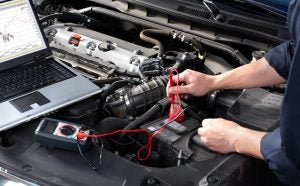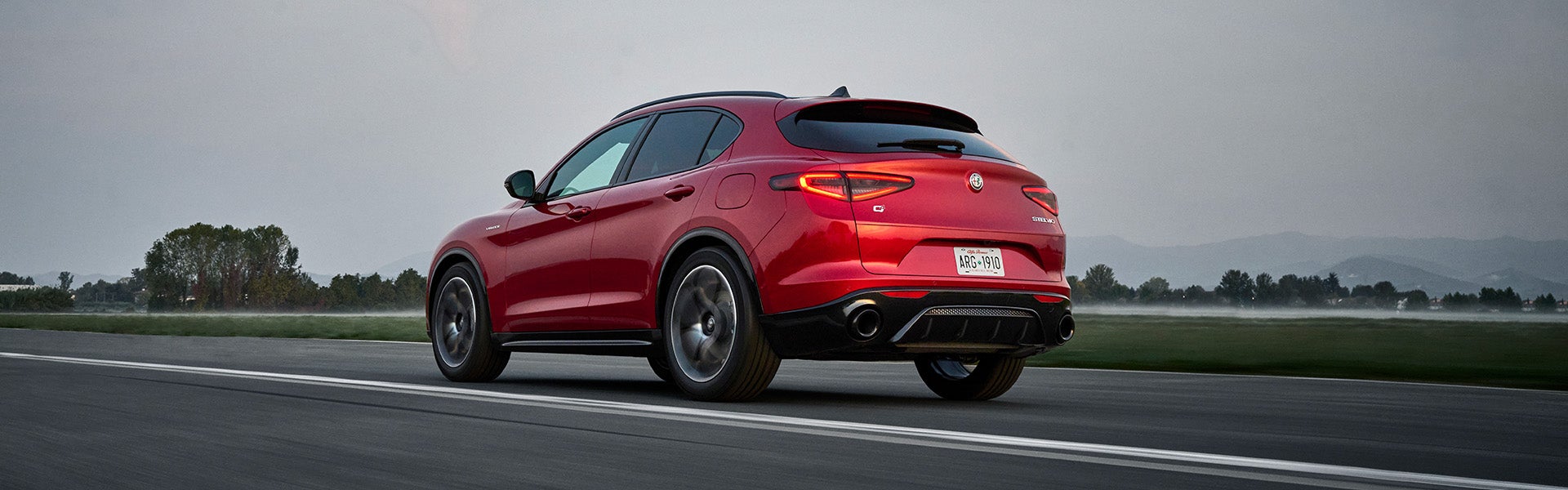

The 2026 Alfa Romeo Giulia is built for drivers who demand both passion and precision. Part of protecting that performance is understanding how to monitor your Alfa Romeo's fluid levels on a regular basis.
Whether you're driving through Ohio or pushing the limits on an open road, keeping an eye on your fluids is one of the simplest and most effective ways to maintain your vehicle's health and avoid unexpected issues.
Why Monitoring Fluid Levels is Important for Your Alfa Romeo
Your Giulia is powered by an all-aluminum 2.0L turbocharged four-cylinder engine producing 280 hp. That kind of performance relies on clean, properly filled fluids to function at its best. Neglecting to check you fluid levels can lead to overheating, transmission problems, reduced braking effectiveness, and long-term engine damage - all of which are avoidable with a little routine attention.
Staying on top of your fluids also helps you get the most out of features like Adaptive Cruise Control with Stop and the available All-Wheel Drive system, both of which depend on the overall mechanical health of your vehicle.
Engine Oil: Your Giulia's Most Critical Fluid
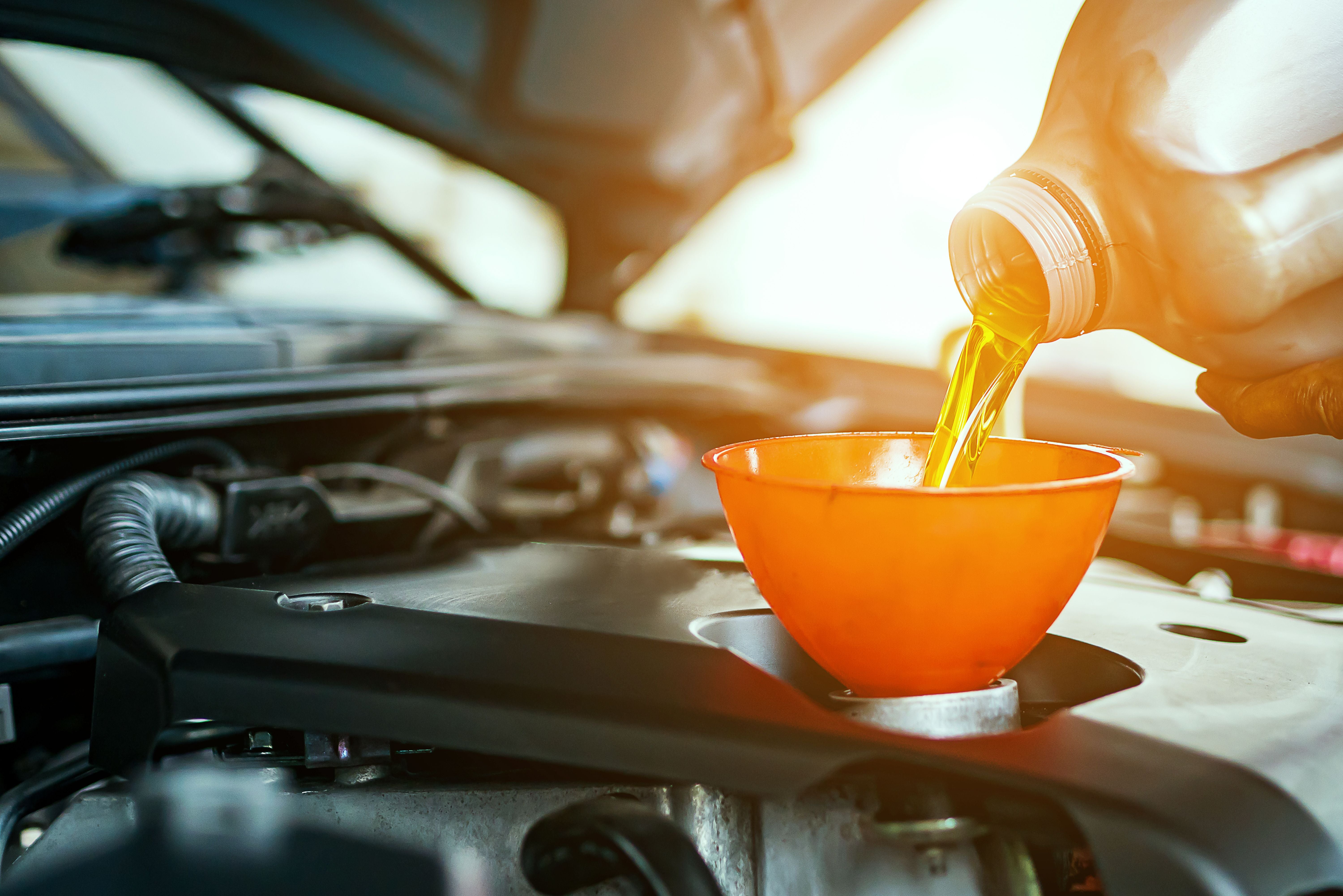
Engine oil is the lifeblood of your Giulia's turbocharged engine. It lubricates moving parts, reduces friction, and helps regulate heat. Knowing how to check fluid levels starts here - with a quick look at the dipstick when your engine is cool and parked on level ground. Pull the dipstick out, wipe it clean, reinsert it fully, and then pull it out again to read the level accurately.
You'll want the oil to fall between the minimum and maximum markers. If it's low or appears dark and gritty, it's time for a change. Always use the oil grade specified in your owner's manual to maintain compatibility with the engine.
Coolant, Brake Fluid, and Other Essentials
Beyond oil, your Giulia relies on several other fluids to operate safely and efficiently. Here's a look at what to check and why it's important.
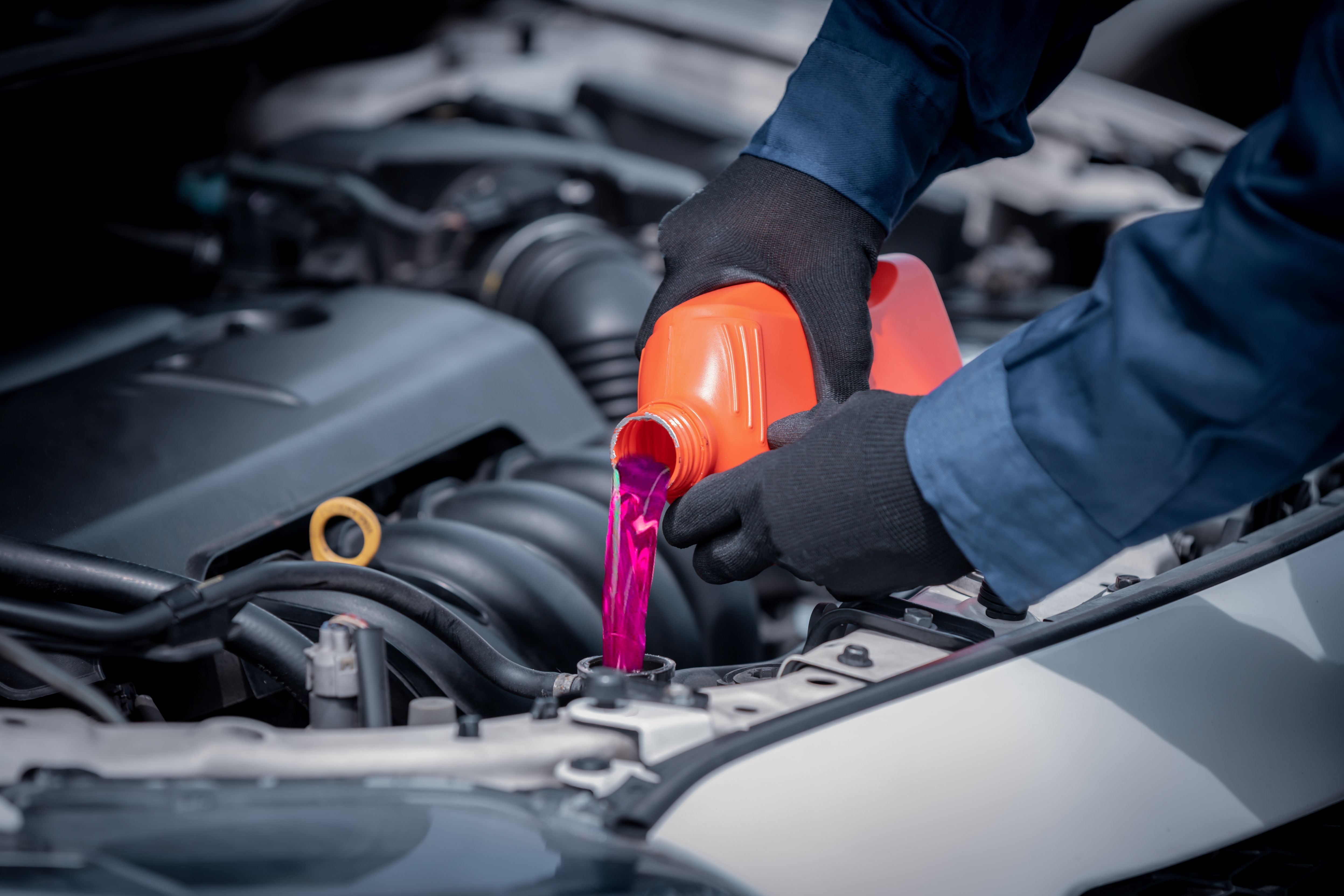
Coolant keeps your engine from overheating. Check the coolant reservoir when the engine is cold. The level should fall between the low and full markers on the side of the translucent tank.
Brake fluid is critical for responsive stopping power, which is especially important in a performance sedan like the Giulia. The brake fluid reservoir is typically located near the firewall. The level should sit above the minimum line, and the fluid itself should appear clear to light yellow. Dark or murky fluid may indicate it's time for a flush.
Power steering fluid - if your model uses a hydraulic system - and windshield washer fluid should also be checked periodically. These are often overlooked but contribute to everyday comfort and safety.
Using Technology to Stay Ahead of Maintenance
The 2026 Giulia gives you tools to help stay informed between manual inspections. The available Vehicle Performance Package allows you to monitor your vehicle's health and performance stats from your smartphone, smartwatch, or computer - even when you're away from the vehicle.
The 12.3-in color digital cluster display also surfaces important alerts when something needs your attention. Knowing how to check fluid levels manually is still essential but pairing that habit with your Giulia's connected technology gives you an extra layer of confidence on every drive.
Visit Alfa Romeo of Strongsville for Maintenance Support
Monitoring your Alfa Romeo's fluid levels is a habit that pays off in long-term reliability and performance. If you're ever unsure about what you're seeing under the hood - or it's simply time for a full service check - the team at Alfa Romeo of Strongsville is here to help.Serving drivers throughout Strongsville, OH, we're ready to keep your Giulia performing at its Italian best. You can visit us online at alfaromeousaofstrongsville.com.