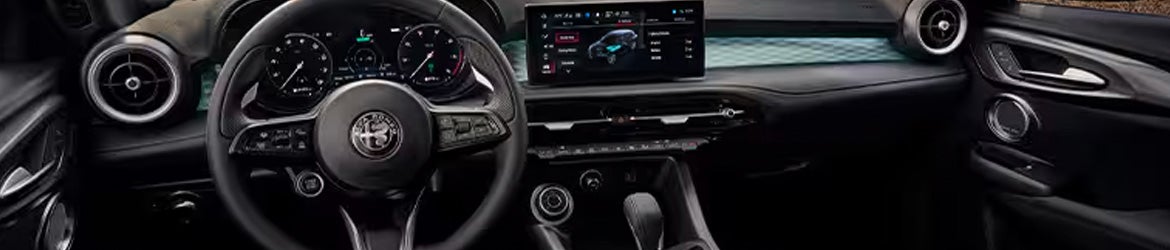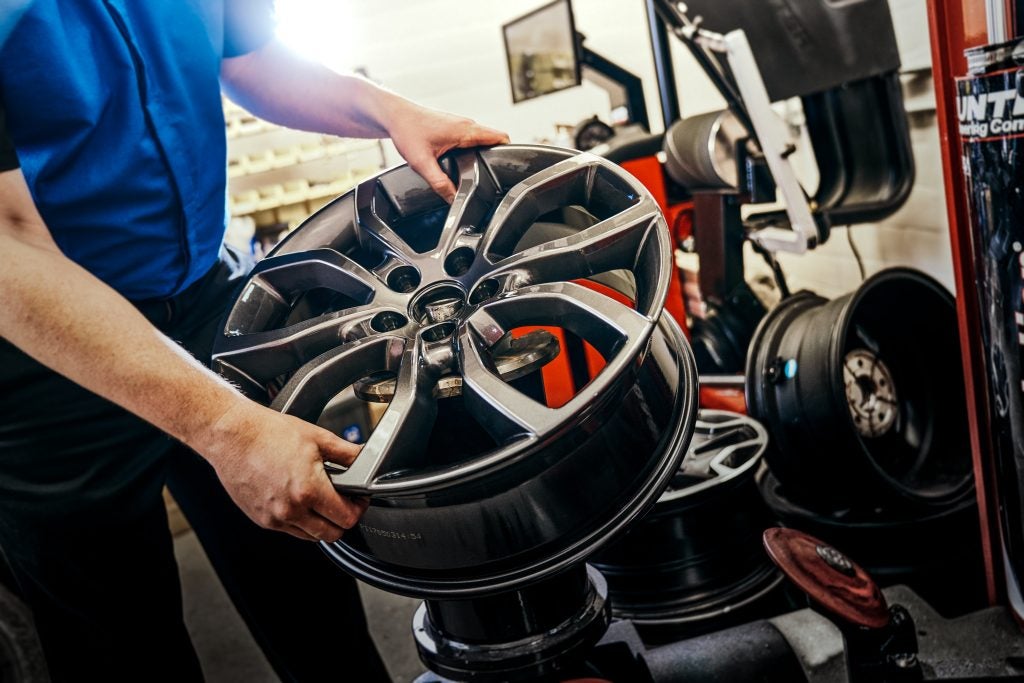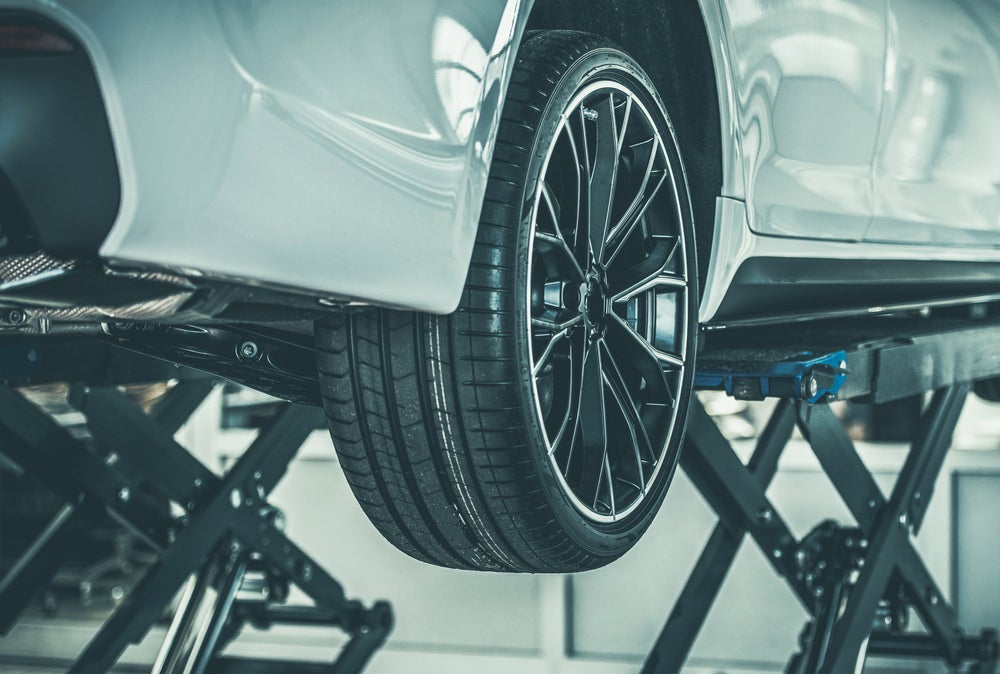

The Alfa Romeo enthusiasts around Strongsville, Ohio are committed to their high-performance vehicles. They understand that the kind of heart-pounding dynamics an Alfa Romeo provides come with precision engineering—but simple maintenance is part of the package when it comes to your vehicle’s longevity and power. Battery maintenance is more than just waiting for a warning light to appear on your dashboard. It refers to the routine care that keeps your car's battery charged, clean, and functioning reliably. For a performance sedan like the Alfa Romeo Giulia—with its advanced electronics, 12.3” digital cluster display, and connected services—a well-maintained battery is essential to keeping everything running as intended. How Often Should I Check My Alfa Romeo's Battery? Most automotive experts recommend having your battery tested at least once a year, especially before winter sets in. Cold temperatures can significantly reduce battery capacity, which puts added stress on the starting system. If you drive a model equipped with features like heated seats, a heated steering wheel, and a Harman Kardon® Premium Audio system, your battery is working harder than you might think. What Are the Signs of a Weak Battery? Catching a failing battery early can save you from a stressful situation. Common warning signs include slow engine cranking, dimming interior lights, and frequent need to jump-start the vehicle. Your car's available Driver Attention Alert and onboard diagnostic systems can sometimes flag electrical irregularities, but a physical battery inspection is always the most reliable approach. Scheduling regular Alfa Romeo battery service is the best way to stay ahead of potential issues. Can Short Trips Affect Battery Health? Short, frequent trips are one of the more overlooked causes of battery drain. When you drive only a few miles at a time, your alternator may not have enough time to fully recharge the battery after each start. Alfa Romeo drivers love to take long, spirited adventures, but for those who commute short distances or can’t resist using their car for quick errands should consider taking those long drives more frequently. You can also use a battery maintainer during extended periods of inactivity. How Do I Keep the Battery Terminals Clean? Corrosion on battery terminals can interfere with the electrical connection and reduce performance. You can inspect the terminals yourself and look for a white or bluish buildup around the connectors. A mixture of baking soda and water, along with a soft brush, can help remove light corrosion. However, for a thorough cleaning and safety check, it is always a good idea to bring your vehicle to a qualified service center that specializes in Alfa Romeo battery service. Does Cold Weather Require Extra Battery Care? Yes, and this is especially relevant for drivers in northern Ohio. Frigid temperatures slow down the chemical reactions inside a battery, reducing its ability to hold and deliver a charge. Before the cold season arrives, have your battery load-tested to confirm it still holds adequate capacity. Your car's heated windshield wiper washer nozzles and heated mirrors are useful cold-weather features, but they also draw power—making a strong battery even more important during winter months. How Long Does a Car Battery Typically Last? Most car batteries last between 3 and 5 years, depending on climate, driving habits, and how well routine battery maintenance is performed. If your Alfa Romeo is approaching that window, it’s worth having the battery evaluated during your next service appointment. If you want to stay proactive, replace the battery near that 3-year anniversary. Visit Alfa Romeo of Strongsville for Battery Service Proper battery maintenance is one of the simplest ways to protect the powerhouse you invested in. To avoid unexpected breakdowns during a thrilling drive, stay on top of your Alfa Romeo’s battery maintenance. Whether your Alfa Romeo is brand new or a few years old, battery health keeps all of its advanced technology and performance features working at their best. Visit Alfa Romeo of Strongsville to schedule your next Alfa Romeo battery service and drive with confidence all year long through Strongsville, Ohio.
How to Monitor Alfa Romeo Fluid Levels in Your Giulia
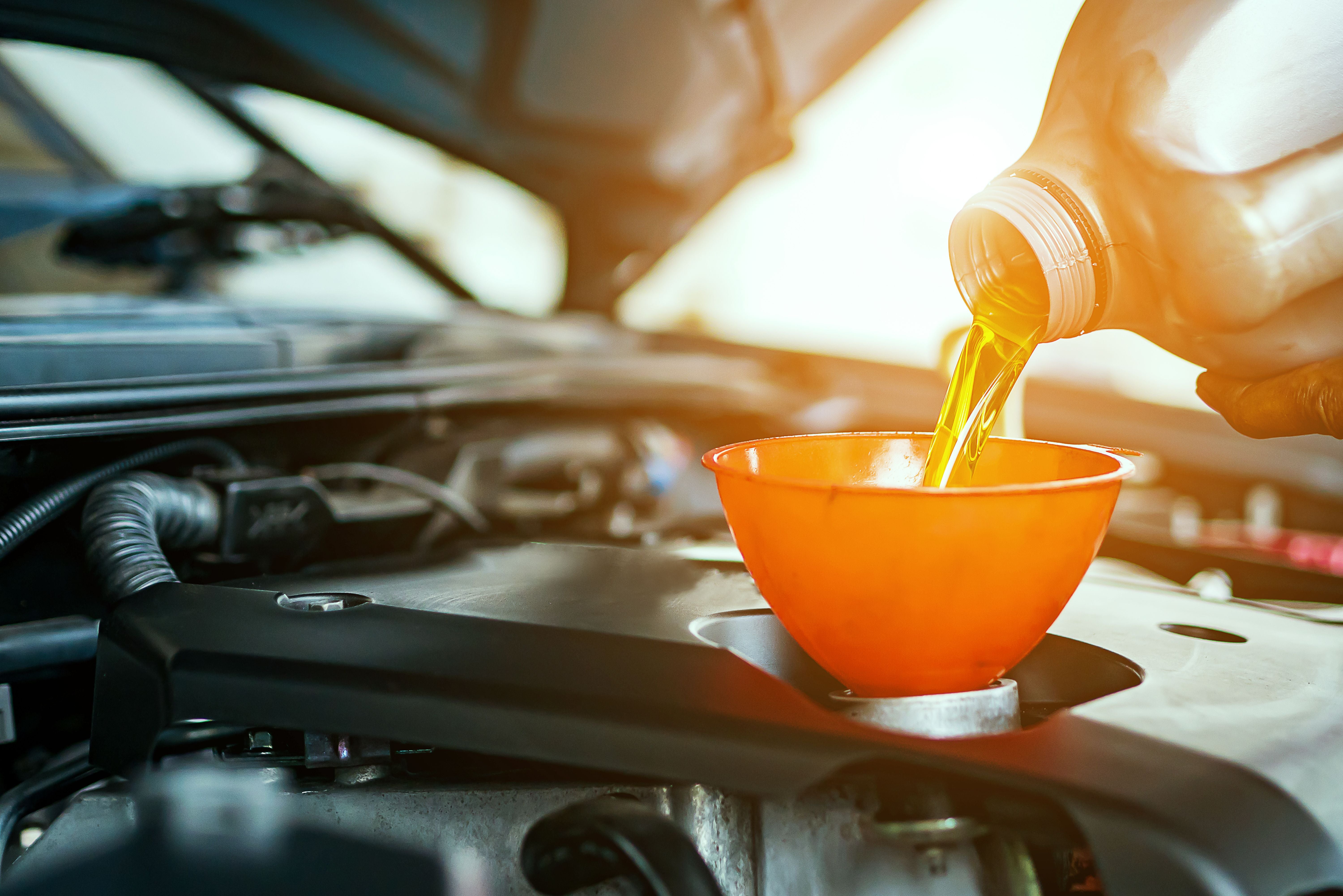
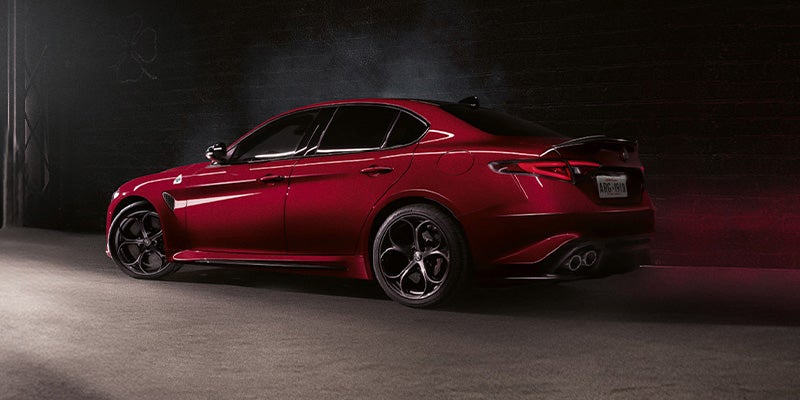
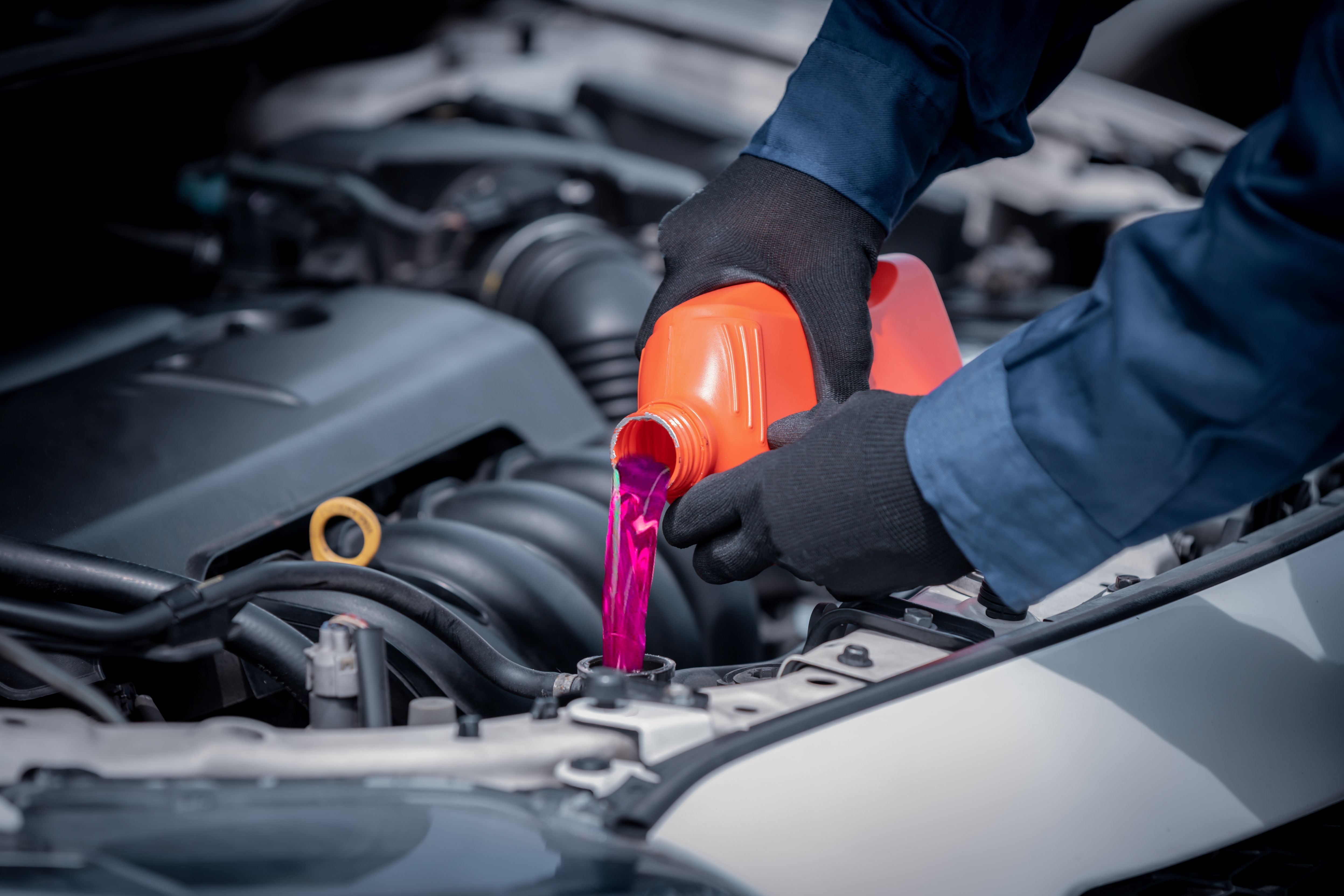
The 2026 Alfa Romeo Giulia is built for drivers who demand both passion and precision. Part of protecting that performance is understanding how to monitor your Alfa Romeo's fluid levels on a regular basis. Whether you're driving through Ohio or pushing the limits on an open road, keeping an eye on your fluids is one of the simplest and most effective ways to maintain your vehicle's health and avoid unexpected issues. Why Monitoring Fluid Levels is Important for Your Alfa Romeo Your Giulia is powered by an all-aluminum 2.0L turbocharged four-cylinder engine producing 280 hp. That kind of performance relies on clean, properly filled fluids to function at its best. Neglecting to check you fluid levels can lead to overheating, transmission problems, reduced braking effectiveness, and long-term engine damage - all of which are avoidable with a little routine attention. Staying on top of your fluids also helps you get the most out of features like Adaptive Cruise Control with Stop and the available All-Wheel Drive system, both of which depend on the overall mechanical health of your vehicle. Engine Oil: Your Giulia's Most Critical Fluid Engine oil is the lifeblood of your Giulia's turbocharged engine. It lubricates moving parts, reduces friction, and helps regulate heat. Knowing how to check fluid levels starts here - with a quick look at the dipstick when your engine is cool and parked on level ground. Pull the dipstick out, wipe it clean, reinsert it fully, and then pull it out again to read the level accurately. You'll want the oil to fall between the minimum and maximum markers. If it's low or appears dark and gritty, it's time for a change. Always use the oil grade specified in your owner's manual to maintain compatibility with the engine. Coolant, Brake Fluid, and Other Essentials Beyond oil, your Giulia relies on several other fluids to operate safely and efficiently. Here's a look at what to check and why it's important. Coolant keeps your engine from overheating. Check the coolant reservoir when the engine is cold. The level should fall between the low and full markers on the side of the translucent tank. Brake fluid is critical for responsive stopping power, which is especially important in a performance sedan like the Giulia. The brake fluid reservoir is typically located near the firewall. The level should sit above the minimum line, and the fluid itself should appear clear to light yellow. Dark or murky fluid may indicate it's time for a flush. Power steering fluid - if your model uses a hydraulic system - and windshield washer fluid should also be checked periodically. These are often overlooked but contribute to everyday comfort and safety. Using Technology to Stay Ahead of Maintenance The 2026 Giulia gives you tools to help stay informed between manual inspections. The available Vehicle Performance Package allows you to monitor your vehicle's health and performance stats from your smartphone, smartwatch, or computer - even when you're away from the vehicle. The 12.3-in color digital cluster display also surfaces important alerts when something needs your attention. Knowing how to check fluid levels manually is still essential but pairing that habit with your Giulia's connected technology gives you an extra layer of confidence on every drive. Visit Alfa Romeo of Strongsville for Maintenance Support Monitoring your Alfa Romeo's fluid levels is a habit that pays off in long-term reliability and performance. If you're ever unsure about what you're seeing under the hood - or it's simply time for a full service check - the team at Alfa Romeo of Strongsville is here to help. Serving drivers throughout Strongsville, OH, we're ready to keep your Giulia performing at its Italian best. You can visit us online at alfaromeousaofstrongsville.com.