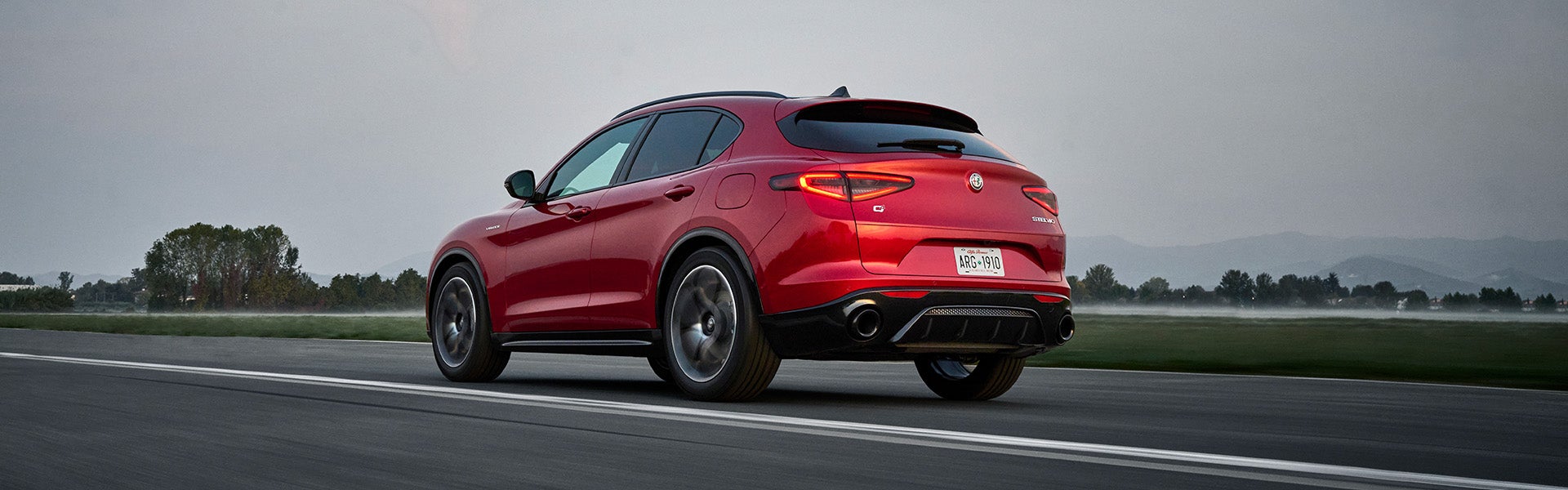

The 2026 Alfa Romeo Giulia has a 2.0L Turbocharged 4-cylinder producing 280 hp. It's responsive, eager, and considerably more interesting than the average four-door sedan. It also has a collection of fast-moving metal parts that would much rather not meet without a healthy film of oil in between.
That's why an Alfa Romeo oil change isn't maintenance to put off until the calendar looks less busy. For Giulia owners around Strongsville, OH, it's one of the simplest ways to keep the car behaving like an Alfa should.
Oil Has More Than One Job
Engine oil lubricates moving components, but that's only the beginning. It also helps manage heat, reduce friction, suspend contaminants, and protect internal surfaces as the engine operates. That's particularly important in the Giulia's Turbocharged engine.
A Turbocharger operates at extremely high speeds and temperatures and depends on a steady supply of clean oil for lubrication and cooling. Fresh oil handles those conditions rather well. Oil that has spent thousands of miles being heated, cooled, contaminated, and heated again becomes progressively worse at the job. Eventually, chemistry wins.
Skipping an Oil Change Gets Expensive
Putting off an Alfa Romeo oil change doesn't mean the engine will fall apart immediately. That's precisely why it's easy to keep putting it off. Oil gradually degrades. Contaminants accumulate, lubrication becomes less effective, and deposits can begin forming inside the engine.
Continue long enough and sludge, increased friction, higher operating temperatures, and accelerated component wear can follow. Turbocharged engines give you another reason to avoid the experiment. The Turbocharger's speed and heat place substantial demands on its oil supply, so poor lubrication isn't something you want to introduce into the equation.
The Giulia was designed to respond quickly when you press the accelerator. Giving its engine increasingly tired oil is a strange way to thank it.
So, How Often Does a Giulia Need Fresh Oil?
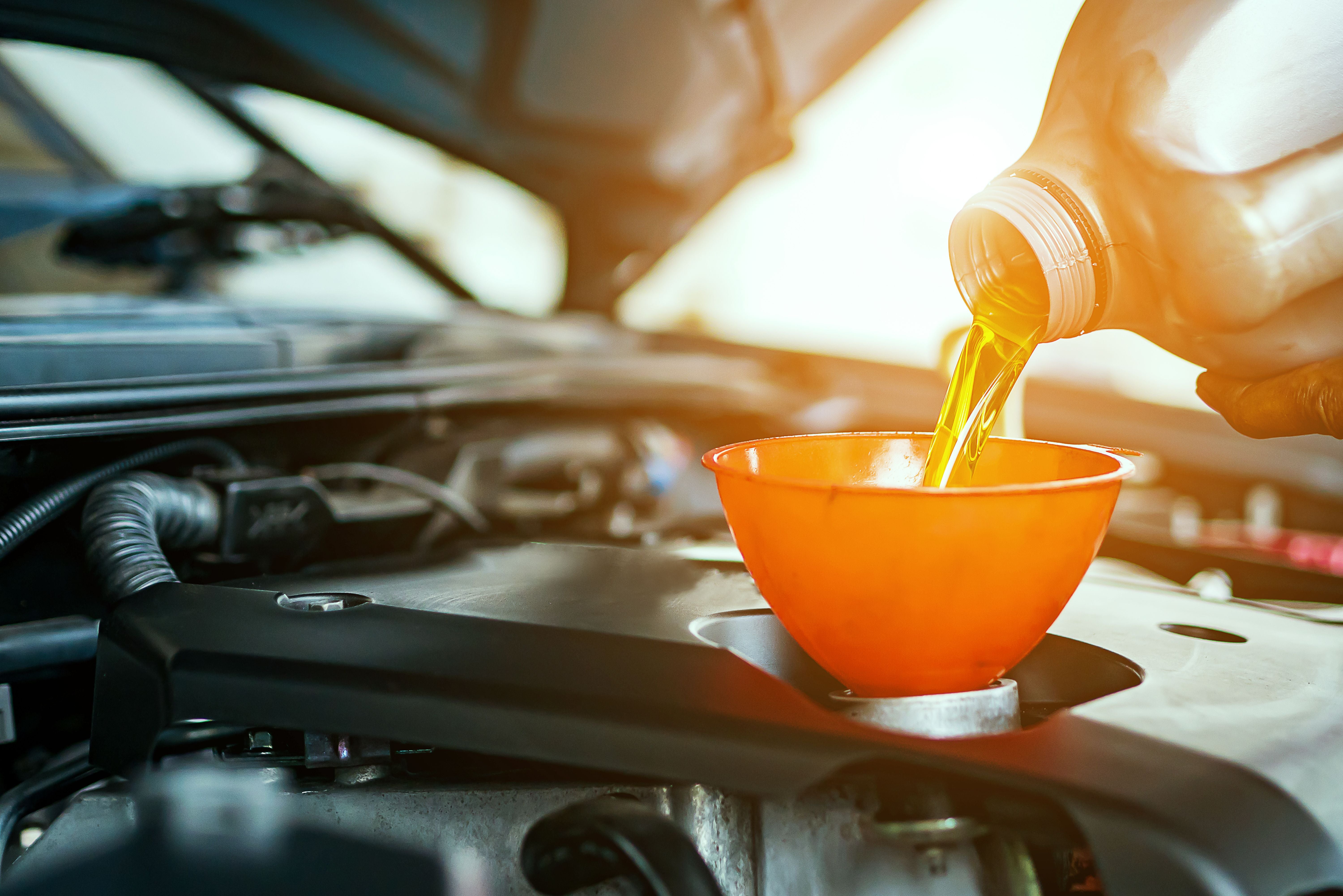
Alfa Romeo calls for synthetic engine oil and filter replacement no later than every 10,000 miles or 12 months, whichever comes first. That's the outer limit, not an instruction to ignore the car until mile 9,999. Depending on operating conditions, the Giulia's oil-life monitoring system may indicate that service is necessary considerably earlier.
Under demanding use, that reminder can arrive as early as 3,500 miles. Driving habits, operating conditions, and mileage all play a part, so the owner's manual and the vehicle's monitoring system should take precedence over a generic interval pulled from the internet.
Synthetic Oil Isn't an Upgrade Here
Another common oil-change question is whether synthetic oil is worth paying for. With the Giulia, that decision has already been made for you. Full synthetic oil is factory-specified for the 2.0L Turbocharged engine. Its resistance to thermal breakdown and ability to maintain appropriate flow across a wide range of temperatures make it particularly suited to an engine dealing with Turbocharger heat.
The important part is using oil that meets Alfa Romeo's specified requirements rather than grabbing a bottle based solely on the viscosity printed in large numbers on the front. European performance engines can be particular about such things. In fairness, so can Italians about coffee.
The Giulia Will Usually Tell You When Something's Up
The 2026 Giulia's 12.3-inch digital instrument cluster can display vehicle information and service alerts, so don't make a habit of dismissing warnings without checking what caused them. An oil or service reminder is the obvious signal. Changes in engine sound, unusual odors, or other changes in how the engine behaves deserve attention as well.
Oil color alone isn't a reliable diagnosis of oil condition, since engine oil naturally darkens as it does its job. If you're uncertain about its condition or the last service date, having it inspected makes considerably more sense than trying to judge engine health from the dipstick.
A Giulia Deserves Someone Who Knows a Giulia
An oil change sounds simple because, mechanically, it is. Doing it correctly still requires the proper oil specification, filter, fill quantity, procedures, and inspection. Factory-trained Alfa Romeo technicians work specifically with the manufacturer's vehicles and maintenance requirements.
That becomes more valuable with a performance-oriented European sedan where using the correct fluids and procedures isn't something worth approximating. Regular service visits also allow technicians to spot leaks, abnormal wear, fluid concerns, or other developing problems while the car is already in the shop.
Keep the 280 hp Happy
Routine oil service isn't exciting. That's rather the point. The exciting bit is driving the Giulia. The oil change helps make sure you can continue doing that without turning a relatively inexpensive maintenance item into a considerably more expensive mechanical problem.
If your 2026 Giulia is approaching its service interval, visit Alfa Romeo of Strongsville for factory-trained maintenance. Schedule your service appointment online and give that 280 hp Turbocharged engine the clean synthetic oil it was designed to use.